
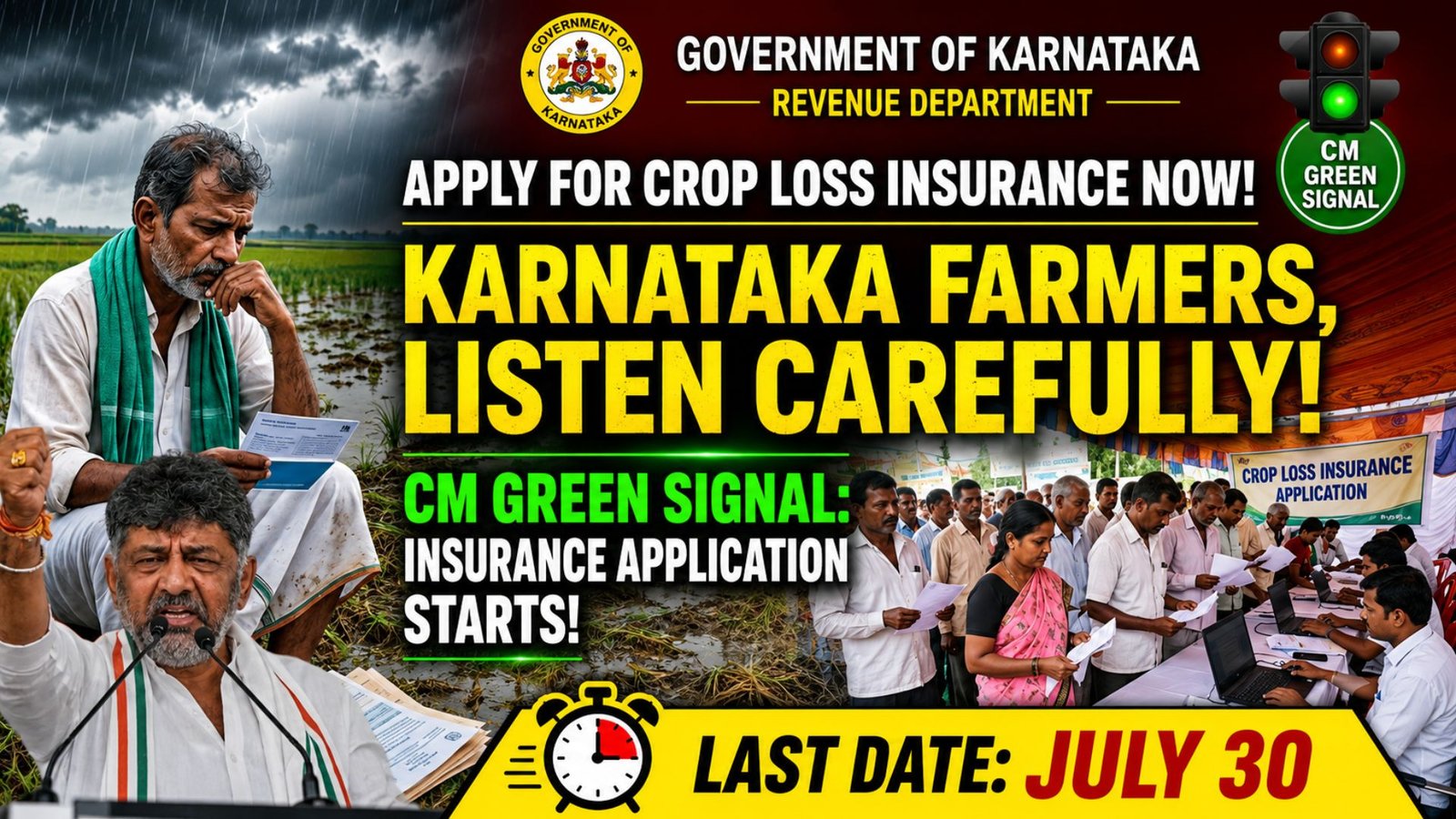
Loan =Claimed Benefits, Eligibility Criteria, Required Documents, and Application Process
Claimed Benefits of the Farmer Loan Waiver Scheme
If a farmer loan waiver scheme of this nature were officially introduced, its primary goal would be to provide financial relief to farmers who are struggling with agricultural debt. Farming is one of the most uncertain occupations because farmers depend heavily on weather conditions, market prices, water availability, and pest control. Even after investing large amounts of money in seeds, fertilizers, pesticides, machinery, and labor, there is no guarantee of a profitable harvest.
A loan waiver can temporarily reduce the financial burden on farmers by allowing the government to repay part or all of their eligible agricultural loans. This gives farmers an opportunity to recover from financial losses and restart farming activities without the immediate pressure of repaying outstanding debt.
Another expected benefit is improved mental well-being among farmers. Financial stress caused by repeated crop failures, rising production costs, and falling market prices often leads to anxiety and depression. By reducing loan obligations, a loan waiver could provide psychological relief and help farmers focus on rebuilding their livelihoods.
Loan waivers may also encourage farmers to invest in the next agricultural season. Without the burden of previous debts, they can purchase better-quality seeds, fertilizers, irrigation equipment, and modern farming tools. Increased investment in agriculture can improve crop productivity and strengthen food security.
From an economic perspective, financially stable farmers contribute to the growth of rural markets. When farmers have disposable income, they spend more on goods and services, which benefits local businesses, transport services, agricultural suppliers, and rural employment. This creates a positive cycle of economic activity in villages.
Banks may also experience some relief if the government compensates them for waived agricultural loans. Non-performing assets (NPAs) related to agricultural lending could decrease, allowing banks to continue extending credit to eligible farmers. However, such benefits depend entirely on how the scheme is designed and implemented.
Objectives of a Farmer Loan Waiver
The main objective of any farmer loan waiver scheme is to provide immediate financial support to farmers facing severe economic hardship. Agriculture is highly vulnerable to natural disasters, unpredictable rainfall, floods, droughts, pest attacks, and market fluctuations. These risks often leave farmers unable to repay their loans.
Another important objective is to reduce the number of farmer suicides associated with financial distress. Governments sometimes introduce relief measures after major agricultural crises to prevent further economic hardship in rural communities.
Loan waiver schemes may also aim to restore farmers’ confidence in agriculture. Farmers who receive financial assistance may be more willing to continue farming instead of abandoning agriculture due to overwhelming debt.
Additionally, governments may introduce such measures to stabilize agricultural production, protect rural livelihoods, and support food security by ensuring that farmers remain financially capable of cultivating future crops.
Who Could Be Eligible?
Although the viral message described several eligibility conditions, it is important to remember that these conditions are not part of any officially announced Karnataka Government loan waiver scheme.
The viral post claimed that the following categories of farmers could be eligible:
1. Farmers with Crop Loans
Farmers who borrowed money specifically for crop cultivation, including the purchase of seeds, fertilizers, pesticides, irrigation equipment, and other agricultural inputs.
2. Agricultural Loan Borrowers
Farmers who obtained agricultural loans from cooperative banks or nationalized banks for farming purposes.
3. Small and Marginal Farmers
Small farmers often receive priority in government welfare programs because they have limited land holdings and fewer financial resources.
4. Farmers Affected by Natural Disasters
Those whose crops were damaged due to drought, floods, excessive rainfall, hailstorms, pest attacks, or other natural calamities.
5. Farmers with Proper Documentation
The viral message suggested that only farmers with updated loan records, land ownership documents, Aadhaar details, and bank account information would qualify for verification.
Again, these are claims circulating online and not officially confirmed eligibility rules.
Conditions Mentioned in the Viral Message
The social media message listed several conditions that farmers would supposedly need to satisfy.
These included:
- Agricultural loans should have been taken only for farming purposes.
- Loans from cooperative banks or nationalized banks would be considered.
- Personal loans and business loans would not qualify.
- Farmers should maintain updated bank records.
- Loan details should match official banking records.
- Land ownership documents should be available for verification.
- Aadhaar should be linked with the bank account.
- Required documents should be submitted correctly.
Since no official scheme has been announced, these conditions should not be treated as government rules.
Documents Mentioned
The viral post listed the following documents:
- Aadhaar Card
- Land Records (RTC)
- Bank Passbook
- Agricultural Loan Documents
- Passport-size Photograph
- Additional documents if required by authorities
In any genuine government scheme, applicants should always verify the required documents through official government notifications instead of relying on social media messages.
Claimed Application Process
According to the viral message, the application process would involve the following steps:
- Visit the bank where the agricultural loan was obtained.
- Collect the loan waiver application form.
- Fill in all personal and loan-related details accurately.
- Attach the necessary supporting documents.
- Submit the completed application to the bank or the local Taluk office.
- Officials would verify the information.
- If found eligible, the loan would reportedly be waived by the government.
However, this application process has not been officially announced by the Karnataka Government.
Why Verification Is Important
Whenever a government introduces a welfare scheme, it usually publishes detailed guidelines explaining eligibility, application procedures, deadlines, and official contacts. Verification ensures that financial assistance reaches eligible beneficiaries and reduces the risk of fraud.
Farmers should always obtain information directly from government departments, district administrations, cooperative banks, or official government websites rather than relying on forwarded social media posts.
The Truth Behind the Viral Claim
After examining the information available, it becomes clear that the viral message claiming DK Shivakumar announced a farmer loan waiver of up to ₹1.20 lakh is false.
There has been no official announcement confirming such a scheme.
Similarly, there is no official online application portal launched for verifying applications under this claimed loan waiver program.
The viral message appears to have combined general information about agricultural loan waivers with unverified claims and presented them as an official government announcement.
DK Shivakumar’s Official Position
The viral message claims that DK Shivakumar announced the scheme as a gesture after becoming Chief Minister.
However, no official government notification, press release, or verified public statement supports this claim.
Government welfare schemes involving thousands of crores of rupees cannot be implemented merely through social media messages. Such programs require Cabinet approval, budget allocation, official notifications, and administrative guidelines before implementation.
As of now, no such official process has been announced.
Why False Information Spreads
Social media platforms allow information to spread rapidly.
Many posts use attractive headlines, emotional language, and promises of financial benefits to attract attention. Unfortunately, not every viral message is accurate.
People often forward such posts without checking whether the information comes from an official government source.
This creates confusion among farmers who may visit banks or government offices expecting benefits that do not actually exist.
Importance of Official Government Announcements
Whenever governments introduce welfare schemes, they usually provide:
- Official Government Orders (GOs)
- Press releases
- Newspaper advertisements
- Website notifications
- Frequently Asked Questions
- Helpline numbers
- Application deadlines
- Eligibility guidelines
Without these official documents, no scheme should be considered genuine.
Risks of Believing Fake Schemes
False information can have serious consequences.
Farmers may waste valuable time visiting offices unnecessarily.
Some fraudsters may misuse such rumors to collect personal documents or charge fake registration fees.
Sharing Aadhaar details, bank account information, OTPs, or personal documents with unauthorized individuals can expose people to financial fraud.
How Farmers Can Verify Government Schemes
Before believing any claim, farmers should:
- Visit the official Karnataka Government website.
- Contact their cooperative or nationalized bank.
- Consult the local Agriculture Department.
- Visit the Taluk office.
- Read official government press releases.
- Verify information through authorized officials.
Taking these simple precautions can prevent misinformation and protect farmers from scams.
Why Loan Waiver Policies Require Careful Planning
Loan waivers are significant financial decisions.
Governments must evaluate:
- Total number of beneficiaries.
- Budget requirements.
- Financial impact on state finances.
- Banking sector implications.
- Eligibility criteria.
- Verification mechanisms.
Because these programs involve large public expenditures, they require careful planning before implementation.
Alternative Support Available for Farmers
Even when no loan waiver exists, governments often provide various forms of agricultural assistance, including:
- Crop insurance benefits.
- Subsidies for seeds and fertilizers.
- Irrigation support.
- Minimum Support Price (MSP) procurement.
- Disaster compensation.
- Interest subsidies on agricultural loans.
- Agricultural extension services.
- Farmer welfare schemes.
Farmers should stay informed about officially announced programs that can provide financial assistance.
Final Fact Check
Claim: DK Shivakumar announced a ₹1.20 lakh farmer loan waiver and the government has launched an online application process.
Fact: False.
There is no official announcement, no confirmed government notification, and no official online application portal supporting this claim.
The message circulating on social media is misleading and should not be treated as genuine government information.
Conclusion
Farmer loan waivers can play an important role in supporting farmers during periods of severe financial distress. They may reduce debt, improve financial stability, and encourage continued agricultural activity. However, any genuine loan waiver program must be supported by official government announcements, legal approvals, and transparent implementation procedures.
The viral claim regarding a ₹1.20 lakh loan waiver announced by DK Shivakumar is not supported by official evidence. Farmers should avoid relying on unverified social media messages and instead obtain information from official government departments, banks, and authorized sources.
Verifying information before acting is the best way to avoid confusion, prevent fraud, and ensure that farmers receive accurate guidance regarding government welfare programs.